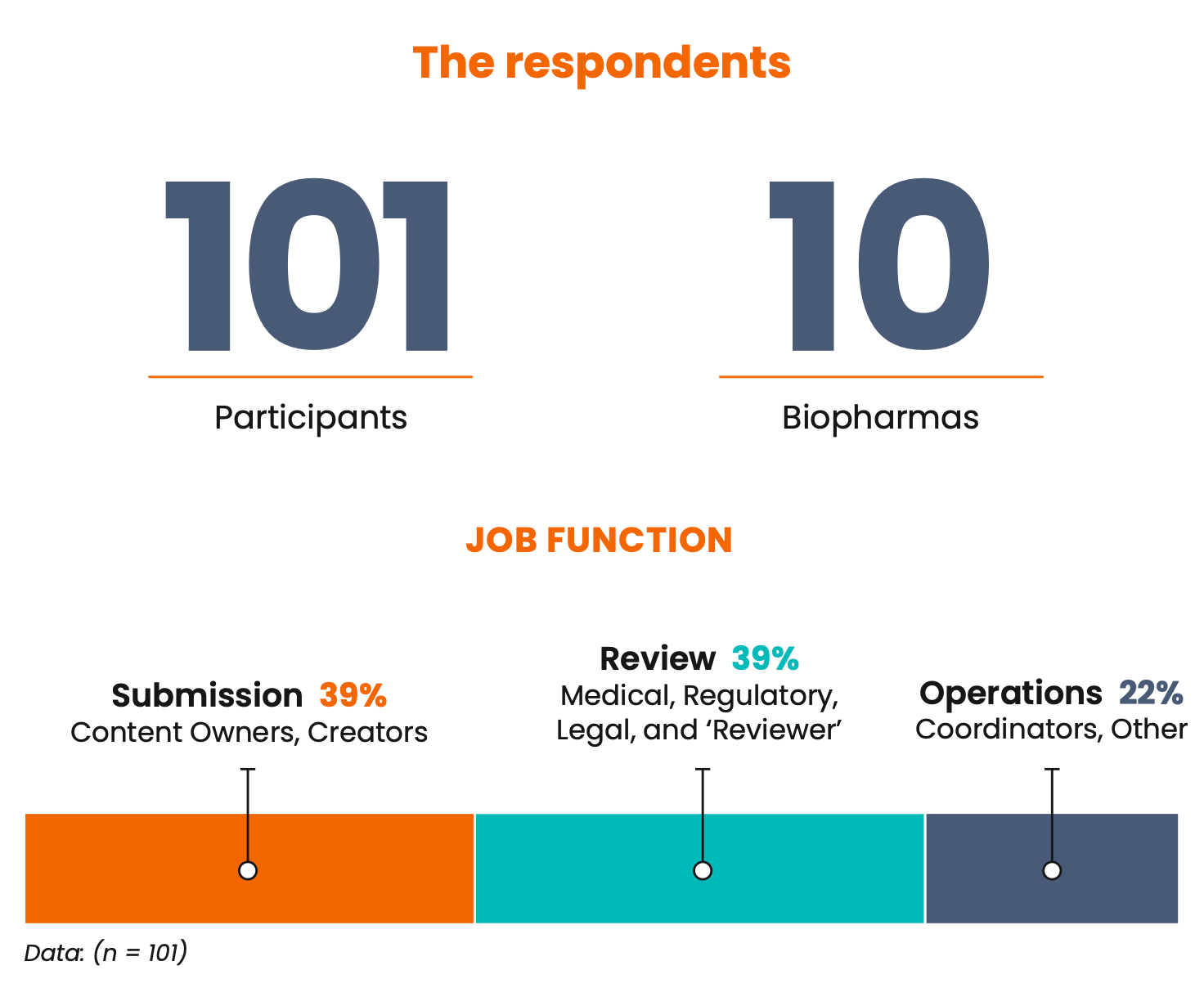
AI in MLR: Insights from 101 Content Professionals
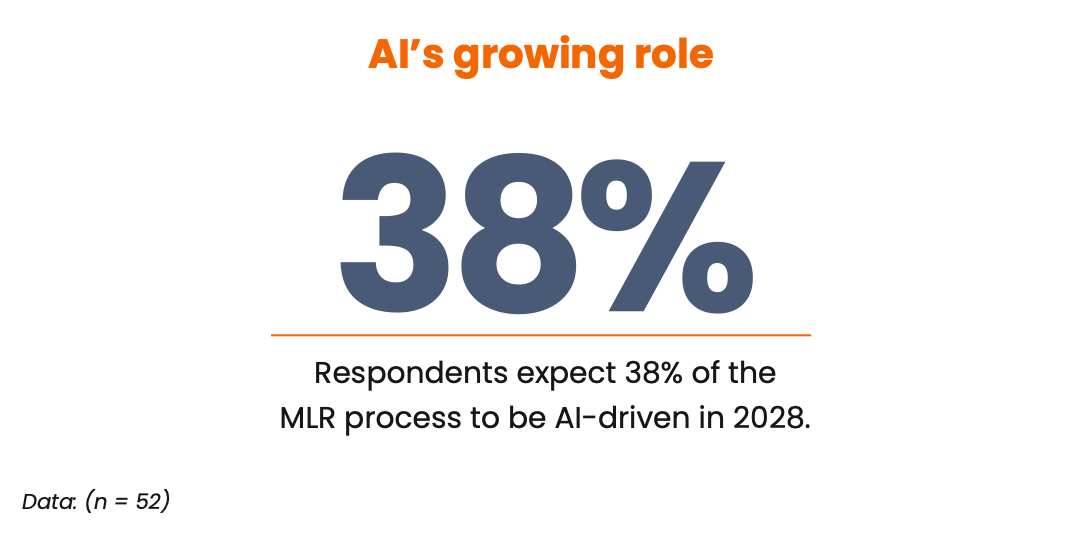
Where will AI deliver the most value in the MLR process? How much of the workload will AI take on by 2028? Biopharma content stakeholders offer ideas on what to watch for as AI’s impact grows.
A snapshot of expectations and attitudes about AI
This infographic presents findings from the Veeva AI for PromoMats Focus Group, composed of leaders from ten biopharma companies. To gather this data, focus group members surveyed stakeholders in their organizations. These targeted internal surveys captured expectations, attitudes, and challenges regarding the integration of AI into the medical, legal, and regulatory (MLR) review process.
Concerns about AI
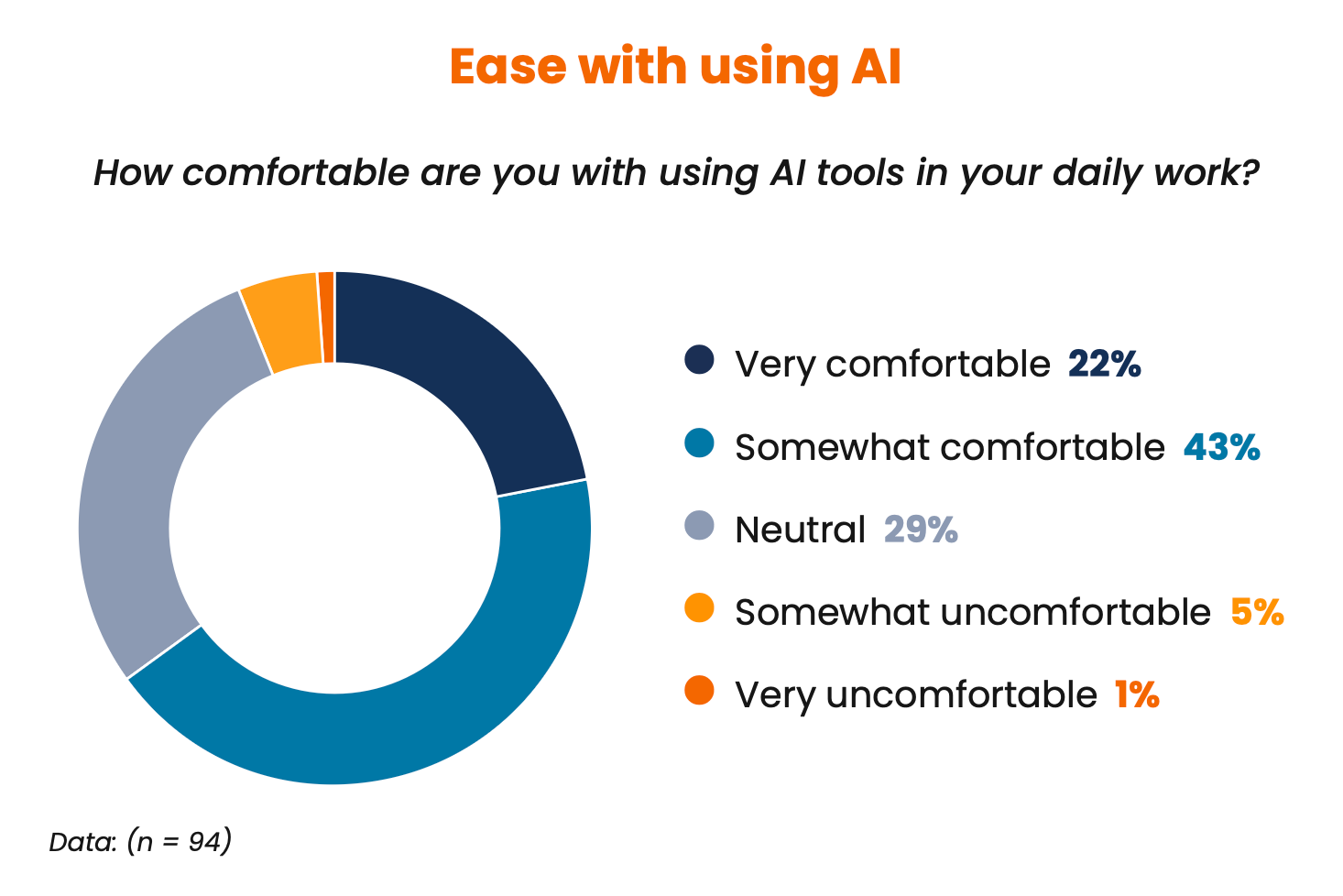
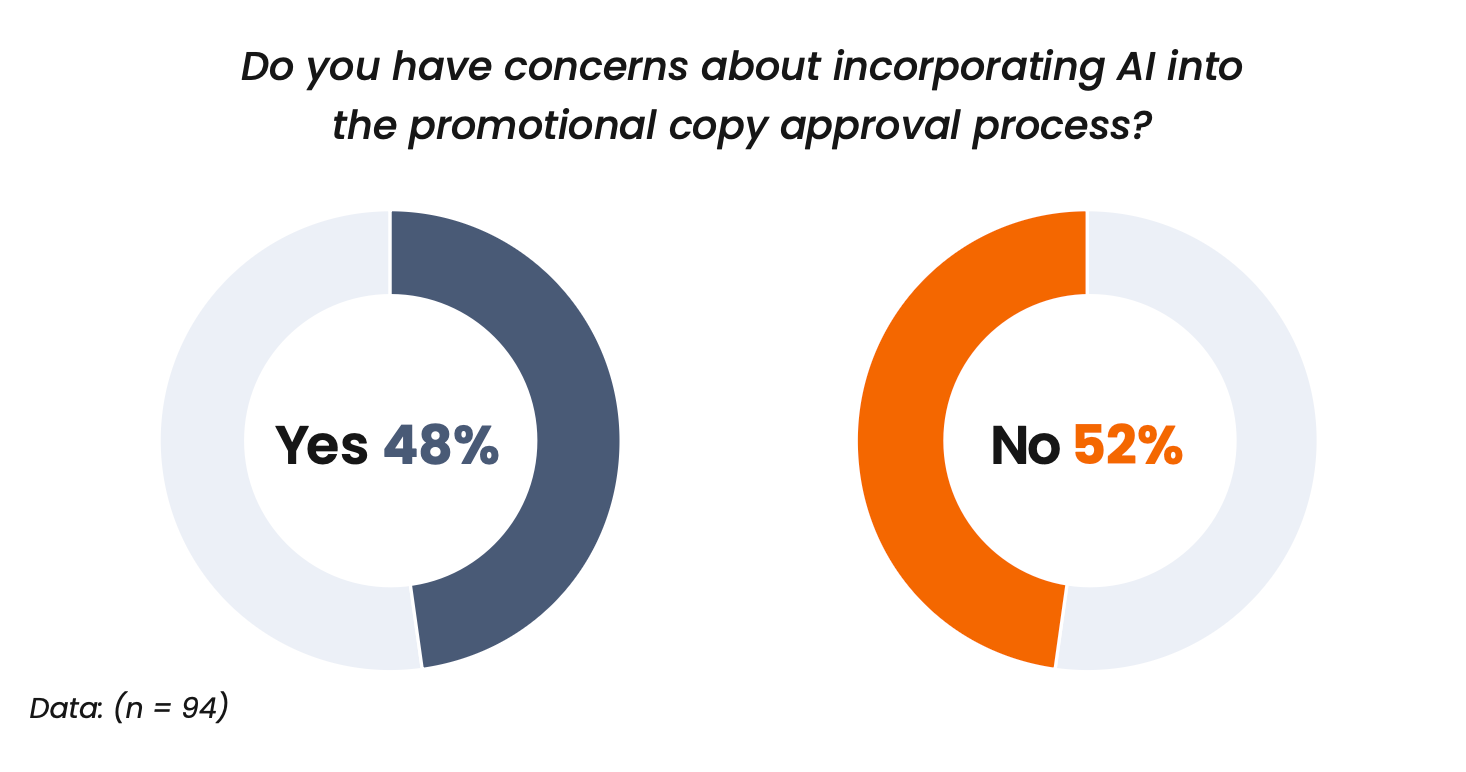
Over half of respondents have no concerns about using AI in promotional content review and approval processes. However, 48% report that the following issues warrant attention:
- Accuracy and reliability of AI outputs in regulated content
- Compliance, auditability, and traceability
- Data privacy and security
- Ensuring human oversight
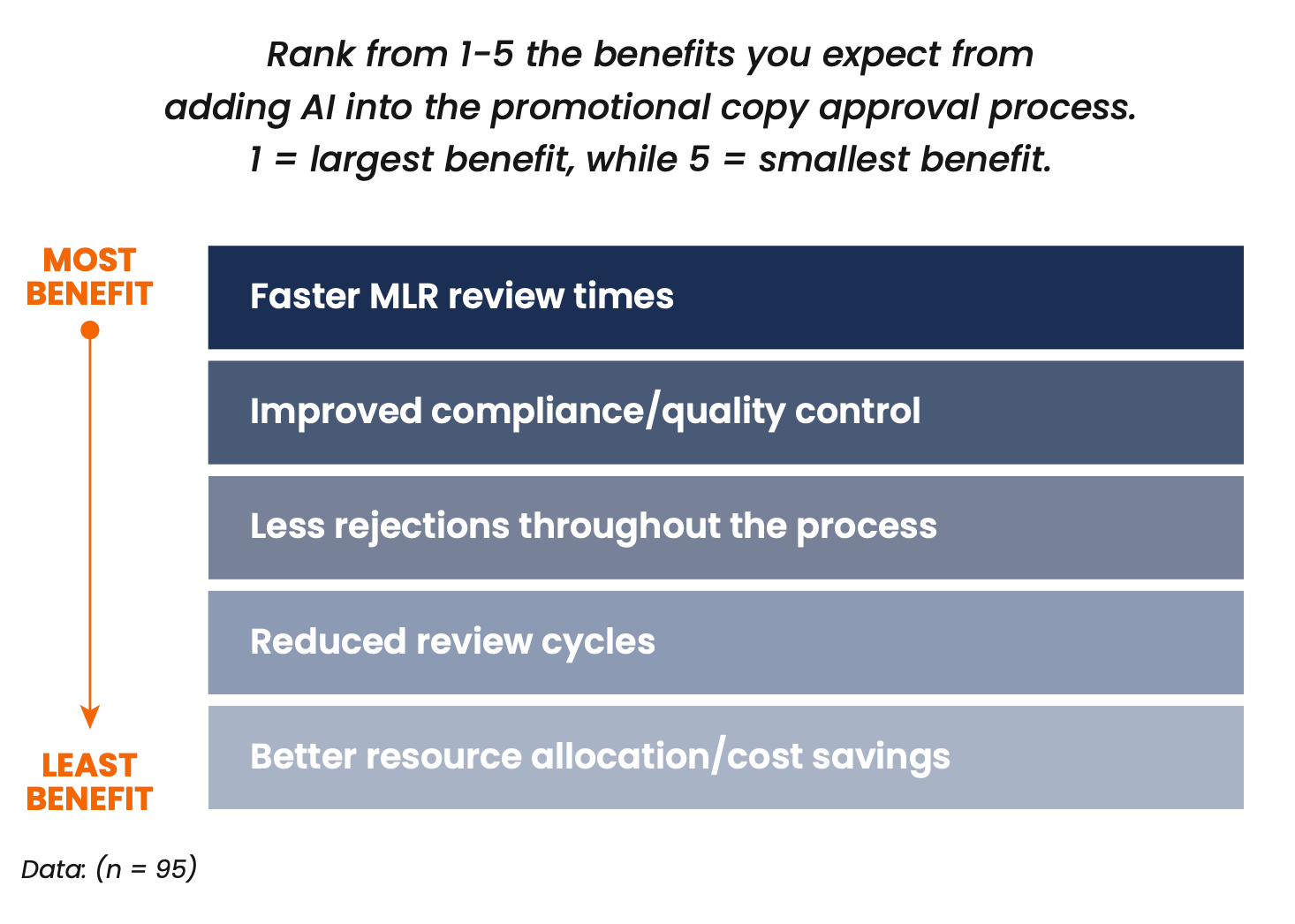
Expected benefits of AI in promotional copy approvals
Speed and compliance are the two most-anticipated benefits from AI’s addition into the promotional copy approval process.
Most requested AI pre-checks
Respondents were asked what AI assistance they would seek before submitting content for MLR review and approval. The answers were wide-ranging but fell into 11 primary categories (listed below in no particular order).
What would you like AI to check for prior to submitting content for review?
- Claims and references accuracy
Validate scientific statements, ensure supporting data is included, and detect missing or outdated references - Tagging and linking
Confirm claim-to-ISI/PI/references connections and auto-link metadata - Metadata and fields
Verify completion of all required metadata, forms, and version details - Spelling, grammar, and punctuation
Catch editorial errors in copy before submission - ISI/PI inclusion and accuracy
Check for presence, position, and correctness of safety information - Formatting and layout
Validate templates, logos, and layout consistency - Labeling and annotations
Flag missing or incorrect annotations and cross-labels - Brand and fair-balance alignment
Ensure tone, check disclaimers, and balance compliance - eCTD/2253 compliance
Review content structure and readiness for FDA submission - Copyright and trademark use
Detect unapproved brand marks, imagery, or third-party content - Duplicate or outdated content
Flag reused or expired material prior to routing
Data: (n = 86)
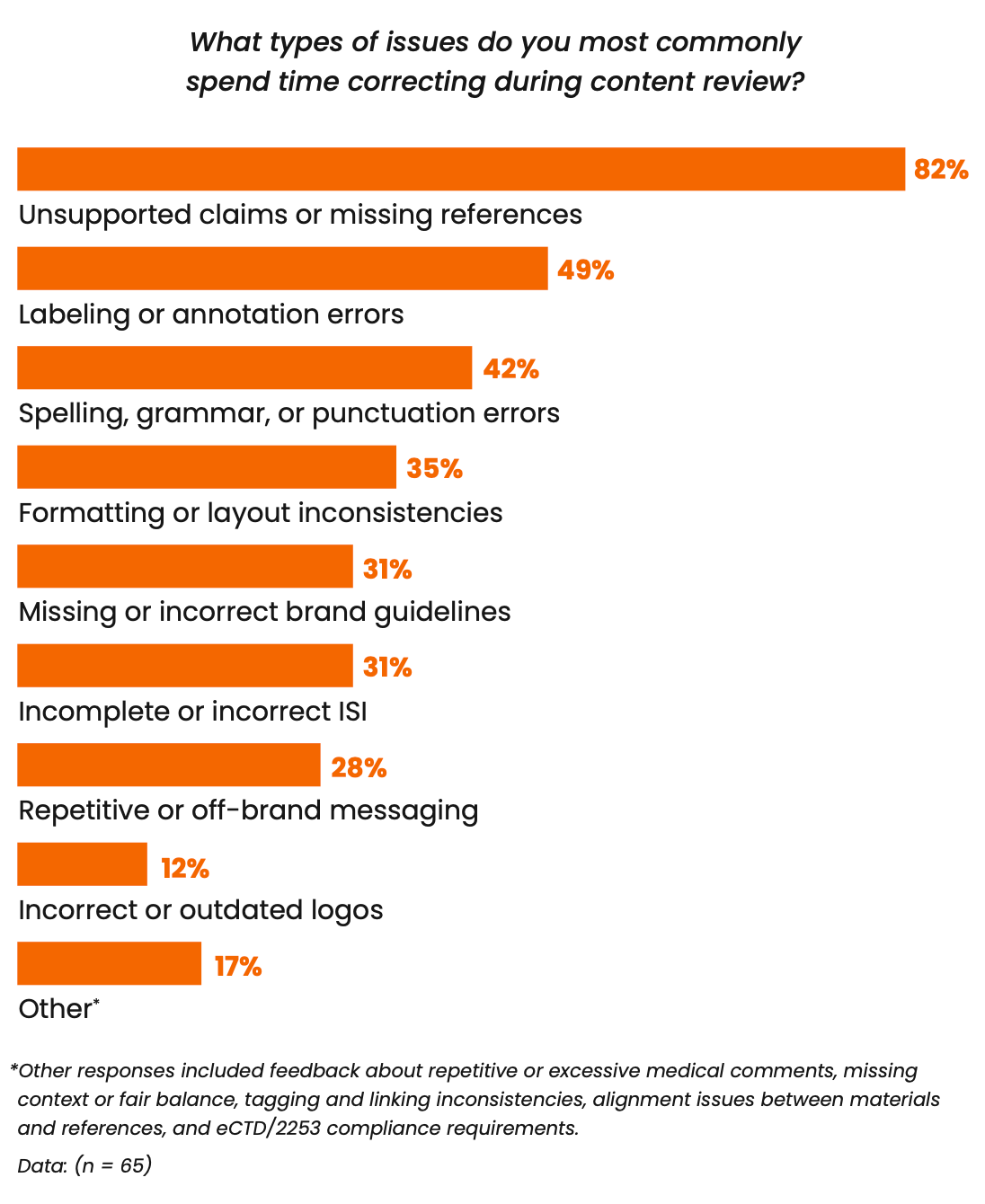
Common issues during content review
Content stakeholders face similar challenges in ensuring material is compliant and error-free. While the most-cited issue was unsupported claims, the survey captured numerous other top hurdles, as respondents were encouraged to check all that apply.